No products in the cart.
Return To Shop
How Temperature Control Affects Your Vaporizing Experience
Key Takeaways:
- Temperature’s Impact on Flavor: Learn how heat settings can amplify or diminish your vaporizing flavor experience.
- Finding the Right Balance: Discover methods to customize your session for the perfect blend of potency and taste.
- Tools for Precision: Understand the importance of advanced vaporizers with accurate temperature controls.
The temperature settings on your vaporizer aren’t just a feature—they’re the gateway to enhancing flavor, maximizing potency, and creating a session that’s uniquely yours. Too low, and you might miss out on key compounds; too high, and you risk sacrificing flavor for intensity. At Happy Head Shop, we pride ourselves on providing premium vape pens that give you the control and precision to dial in your perfect experience. From delicate terpenes to robust clouds, the right temperature unlocks the best your material has to offer. In this guide, we’ll dive into the details of how temperature control shapes your vaporizing journey and offer tips to help you make the most of it.
Why Temperature Control Matters In Vaporizing
Temperature control is the key to transforming a good vaporizing experience into an exceptional one. It’s not just about heating your material but unlocking its full potential. The temperature you select directly affects flavor, potency, and overall enjoyment, whether you’re vaporizing dry herbs, waxes, or oils. Lower temperatures preserve delicate terpenes and aromas, offering a subtle and flavorful experience, while higher temperatures provide denser vapor and stronger effects, though with some flavor trade-offs. Finding the right balance allows you to tailor your sessions to suit your preferences.
This isn’t just for seasoned users—beginners can also benefit greatly from understanding the impact of temperature. Small adjustments can make a noticeable difference, enhancing both the quality and enjoyment of each session. Without proper attention to temperature, you might miss out on the full potential of your material, making this aspect of vaporizing essential for everyone.
Elevate your sessions with precision-engineered vape pens from Happy Head Shop. Shop now for ultimate control and unmatched quality!
The Science Behind Temperature Control
Temperature control is a cornerstone of optimizing your vaporizing experience, rooted in the unique chemistry of your material. Each compound, whether terpenes, cannabinoids, or other constituents, has a specific boiling point at which it becomes active and vaporizes. Knowing how these compounds behave at different temperatures not only enhances flavor and effects but also prevents issues like combustion, ensuring a healthier, more refined session. Here’s a closer look at the science of temperature control and why it matters.
Terpenes: The Heart Of Flavor And Aroma
Terpenes, the compounds responsible for the distinctive flavors and aromas of your material, vaporize at lower temperatures, typically between 310°F and 350°F. These gentler settings preserve their delicate molecular structure, allowing you to enjoy nuanced flavors and a more aromatic experience. For those who prioritize taste and subtlety, staying within this range ensures a session focused on savoring the natural complexity of your material.
Cannabinoids: Unlocking Potency And Effects
Cannabinoids like THC and CBD require slightly higher temperatures to activate, with their boiling points generally ranging from 350°F to 430°F. These temperatures are necessary to release the compounds fully, delivering the potency and therapeutic effects many users seek. Maintaining control within this range balances efficient extraction with preserving the integrity of the material, ensuring an effective and satisfying experience.
The Risks Of Too-Low Temperatures
Operating at temperatures below the activation points of key compounds can result in an incomplete session. Without sufficient heat, the material may fail to release its full spectrum of active components, leaving much of its potential untapped. This often leads to a less flavorful and underwhelming experience, underscoring the importance of hitting the right temperature threshold for your chosen material.
The Dangers Of Overheating
Excessive temperatures pose their own set of problems, including the risk of combustion. Combustion not only negates the benefits of vaporizing by producing smoke but also generates harmful byproducts that can compromise your health. Additionally, overheating can degrade the delicate compounds in your material, diminishing both flavor and overall enjoyment.
Modern Precision: The Role Of Advanced Vaporizers
Modern vaporizers are equipped with precise temperature controls, allowing users to experiment with specific heat settings down to the degree. This level of customization is invaluable for tailoring sessions to different materials and personal preferences. By exploring various temperature ranges, you can discover the optimal balance between flavor, potency, and overall experience, making advanced vaporizers an essential tool for enthusiasts and beginners alike.

How Different Temperatures Affect Flavor And Vapor
Temperature plays a pivotal role in defining your vaporizing experience, shaping the flavor, vapor density, and effects of your session. Each temperature range interacts with the compounds in your material differently, offering a spectrum of possibilities to explore. Understanding how these ranges influence the vapor can help you tailor your sessions to suit your preferences, whether you’re seeking a gentle, aromatic experience or dense, potent clouds.
Low Temperatures: A Symphony Of Flavor And Smooth Vapor
Operating between 290°F and 350°F, this range is ideal for those who prioritize flavor and subtlety. At these temperatures, terpenes vaporize readily, releasing their nuanced aromas and providing a rich, flavorful experience. The vapor produced is light and smooth, making it a perfect choice for beginners or anyone seeking a gentler introduction to vaporizing.
Medium Temperatures: The Balanced Sweet Spot
Temperatures from 350°F to 400°F strike a harmonious balance between flavor and vapor density. Both terpenes and cannabinoids are effectively activated in this range, delivering a robust flavor profile alongside satisfying vapor production. This range is often considered the ideal middle ground, offering a full-spectrum experience that captures the best of both worlds without overwhelming harshness.
High Temperatures: Intensity And Maximum Effects
At 400°F to 430°F, higher temperatures prioritize potency and vapor density, creating thick clouds and strong effects. This range is preferred by advanced users or those seeking an intense session, as cannabinoids are fully activated for maximum impact. However, the trade-off is a reduction in flavor, as the delicate terpenes tend to burn off at these elevated temperatures, shifting the focus to intensity rather than taste.
Tailoring Your Experience Through Temperature Experimentation
Experimenting across these temperature ranges allows you to discover what works best for your preferences and mood. Whether you lean toward a light, aromatic session or crave dense vapor and stronger effects, temperature control gives you the freedom to adjust and refine your experience. This flexibility ensures that your vaporizing journey remains both personal and versatile, adapting to every need and occasion.
Common Mistakes In Temperature Control And How To Avoid Them
Effective temperature control is a cornerstone of successful vaporizing, but even seasoned users can fall prey to common pitfalls. Missteps in adjusting temperatures, handling the device, or preparing material can undermine your experience, leading to wasted potential or diminished enjoyment. By understanding these mistakes and adopting simple strategies to avoid them, you can ensure a smoother and more satisfying session every time.
Starting Too High: Sacrificing Flavor For Power
Many users are tempted to begin at high temperatures to quickly achieve stronger effects, but this often leads to harsh vapor and a loss of flavor. Delicate terpenes burn off prematurely at excessive heat, leaving the experience one-dimensional and overwhelming. The solution is to start at a lower temperature, allowing you to savor the subtle flavors first and gradually increase the heat to find the balance that suits your preferences.
Neglecting To Experiment: Missing Out On Possibilities
Relying on a single temperature setting can limit the diversity of your vaporizing experience. Each material and session is unique, and failing to explore different temperatures means you might overlook new flavors, aromas, or effects. Experimenting with a range of settings reveals the full potential of your material, offering a richer and more versatile experience tailored to your mood or needs.
Ignoring Device Maintenance: Compromising Performance
A poorly maintained vaporizer can sabotage even the best temperature control efforts. Residue buildup can interfere with heat distribution, leading to uneven vaporization and diminished performance. Regular cleaning of your device is essential to maintaining consistent heat levels and ensuring that each session is as enjoyable and efficient as possible.
Overpacking The Chamber: Hindering Airflow And Heat Distribution
Overloading the vaporizer chamber with too much material restricts airflow, which can lead to uneven heating and inefficient vapor production. When the material is packed too tightly, parts of it may burn while others remain untouched. For optimal results, use a moderate amount of evenly packed material, which allows heat to circulate and vaporize everything uniformly.
Skipping Preheating: Rushing The Process
Many users skip the crucial step of preheating, diving into their session before the vaporizer has reached its target temperature. This can result in inconsistent vapor and a subpar experience. Allowing the device to preheat fully ensures that the material is evenly and effectively vaporized from the first draw, maximizing both flavor and potency.
Tips For Choosing A Vaporizer With Precise Temperature Settings
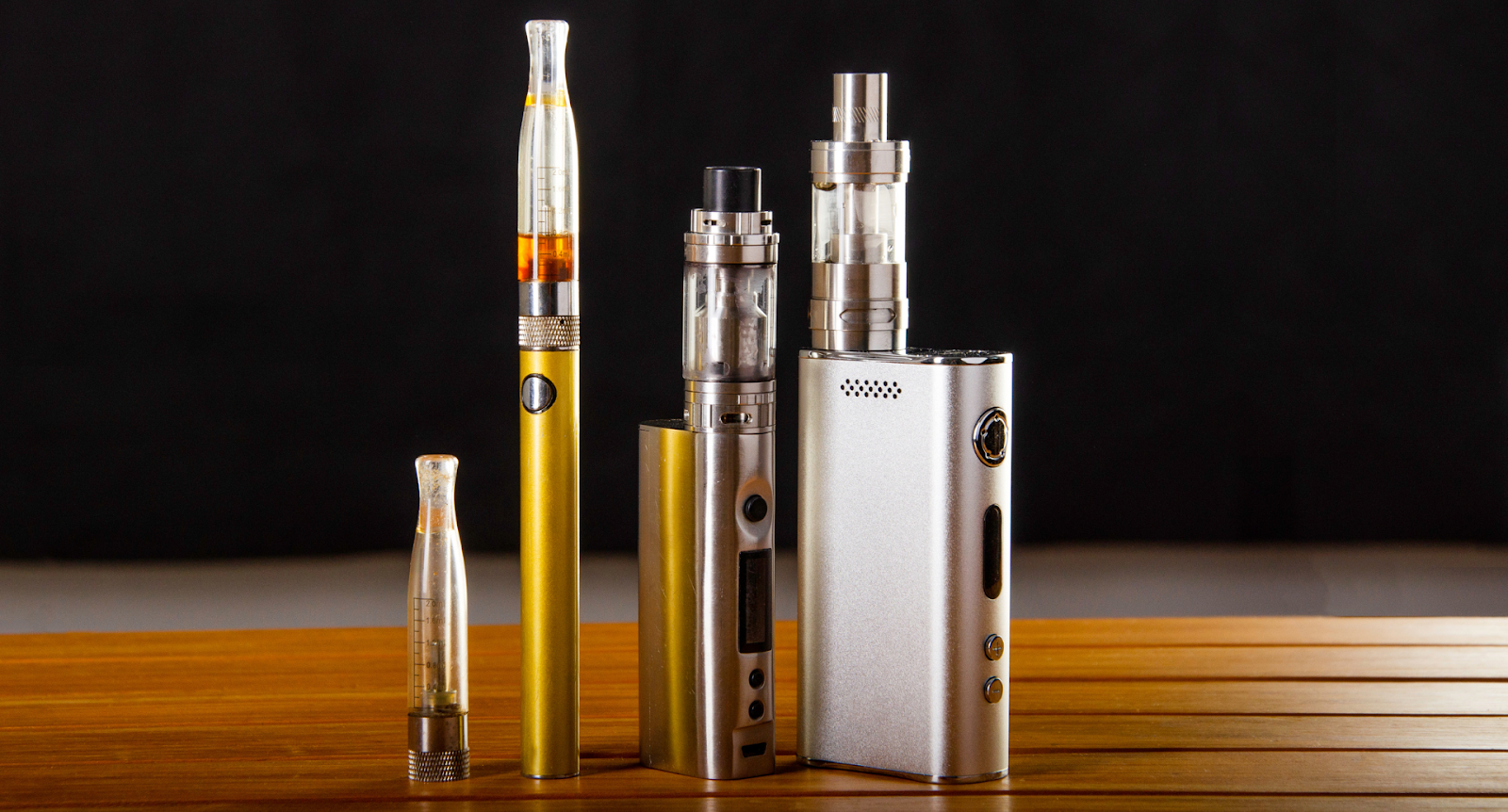
Selecting the right vaporizer is essential for achieving full control over your sessions. With a wide variety of devices on the market, it’s important to focus on features that enhance temperature accuracy and versatility. Here are key factors to consider when choosing a vaporizer:
- Digital Temperature Controls: Vaporizers with digital displays allow you to set and monitor the temperature with precision, making it easier to experiment with specific ranges and replicate your favorite settings.
- Wide Temperature Ranges: A versatile device should accommodate both lower temperatures for flavor-focused sessions and higher temperatures for stronger effects, ensuring it meets all your needs.
- Heating Technology: Convection vaporizers use indirect heating with hot air for even vaporization and better flavor preservation, minimizing the risk of burning the material. In contrast, conduction vaporizers rely on direct contact with the heating element, delivering thicker vapor and quicker results but sometimes sacrificing flavor due to uneven heating.
- Conduction Vaporizers: Use direct contact to heat the material, producing thicker vapor but sometimes at the cost of flavor refinement.
- Ease of Use: Beginners might prefer simple controls and preset options, while advanced users often appreciate devices that offer highly customizable settings.
- Portability vs. Power: Portable vaporizers are convenient for on-the-go use but may lack the precision of desktop models. For maximum accuracy, consider investing in a high-quality desktop vaporizer.
- Smart Features: Some advanced vaporizers offer app connectivity, allowing remote control of temperature settings and access to features like session tracking for enhanced usability.
By focusing on these elements, you can find a vaporizer that aligns with your preferences and elevates your vaporizing experience.
Final Thoughts
Temperature control is more than just a technical detail—it’s the heart of an exceptional vaporizing experience. By understanding how different temperatures influence flavor, potency, and vapor quality, you can tailor your sessions to perfectly match your preferences. Whether you enjoy the delicate notes of terpenes at lower temperatures or the dense clouds and stronger effects at higher settings, finding your sweet spot is key to unlocking the full potential of your material.
Investing in a vaporizer with precise temperature controls and experimenting with different settings ensures you get the most out of every session. Avoid common mistakes, maintain your device, and embrace the versatility that vaporizing offers. With the right approach, temperature control can transform your routine into a highly personalized, enjoyable ritual.
Read also:
- Vaping vs Smoking: Which Is Healthier?
- Vaping Marijuana: Benefits, Risks, and Tips
- Top Smoking Accessories Every Enthusiast Should Own
Frequently Asked Questions About Temperature Control For Vaporizing
What is temperature control in vaporizing?
Temperature control allows users to adjust the heat applied to their material, ensuring a tailored balance of flavor, potency, and vapor density.
Why does flavor change with different temperatures?
Flavor changes because terpenes, the compounds responsible for aroma and taste, vaporize at specific temperatures. Lower settings preserve these delicate compounds.
Is temperature control important for beginners?
Yes! Even beginners benefit from temperature control as it helps prevent harsh hits and ensures a smoother introduction to vaporizing.
Does high-temperature vaporizing damage my material?
Excessively high temperatures can degrade the material and potentially produce harmful byproducts. Precision control minimizes these risks.
Can temperature control affect the lifespan of my vaporizer?
Yes. Proper temperature management prevents overheating, which can extend the life of heating elements and other components in your vaporizer.
Are all vaporizers equipped with temperature control?
No. Basic models may have fixed settings or limited ranges, while premium vaporizers offer precise, customizable controls.
What’s the ideal temperature range for herbal blends?
Herbal blends typically perform best between 350°F and 400°F, offering a balance of vapor density and flavor retention.
Can I use temperature control to save material?
Yes. Lower temperatures often result in slower vaporization, helping you make the most of your material without overburning.
How do environmental factors affect temperature control?
Cold weather or windy conditions can impact heating efficiency. Portable devices with temperature compensation features can counteract this.
What role does material preparation play in temperature control?
Properly grinding and evenly packing your material ensures even heat distribution, enhancing the effectiveness of your temperature settings.
Sources:
- Eyal, A. M., Berneman Zeitouni, D., Tal, D., Schlesinger, D., Davidson, E. M., & Raz, N. (2022). Vapor Pressure, Vaping, and Corrections to Misconceptions Related to Medical Cannabis’ Active Pharmaceutical Ingredients’ Physical Properties and Compositions. Cannabis and Cannabinoid Research. https://doi.org/10.1089/can.2021.0173
- MacCallum, C. A., Lo, L. A., Pistawka, C. A., Christiansen, A., & Boivin, M. (2023). Cannabis vaporisation: Understanding products, devices and risks. Drug and Alcohol Review. https://doi.org/10.1111/dar.13800
- Meehan-Atrash, J., Luo, W., J. McWhirter, K., G. Dennis, D., Sarlah, D., P. Jensen, R., Afreh, I., Jiang, J., C. Barsanti, K., Ortiz, A., & M. Strongin, R. (2021). The influence of terpenes on the release of volatile organic compounds and active ingredients to cannabis vaping aerosols. RSC Advances, 11(19), 11714–11723. https://doi.org/10.1039/D1RA00934F
- Morgan, J., Gschwend, G., Houston, M., Jones, A., & Kelso, C. (2022). Vaping preferences of individuals who vaporise dry herb cannabis, cannabis liquids and cannabis concentrates. Drug and Alcohol Dependence, 109632. https://doi.org/10.1016/j.drugalcdep.2022.109632
- Oar, M. A., Savage, C. H., Rufer, E. S., Rucker, R. P., & Guzman, J. A. (2022). Thermography of cannabis extract vaporization cartridge heating coils in temperature- and voltage-controlled systems during a simulated human puff. PLOS ONE, 17(1), e0262265. https://doi.org/10.1371/journal.pone.0262265

About author
Related posts

Many people want smooth hits. They want to have a simple smoking arrangement. However, it is... Continue reading

So, you just got your hands on the dope collab everyone’s talking about—RAW x Lyrical Lemonade... Continue reading

Women’s wellness, especially when it comes to libido and pleasure, often gets overlooked. But times are... Continue reading

When you’re scrolling through countless male enhancement products, it’s easy to feel overwhelmed. From pills to... Continue reading

When it comes to boosting male performance, the market is packed with pills, powders, and promises.... Continue reading