No products in the cart.
Return To Shop
Is Weed Legal In Massachusetts?
Key Takeaways:
- Usage Rules: Gain insight into Massachusetts’ guidelines for both medical and recreational weed use, including age restrictions and purchase limits. Understanding these rules can help you stay compliant and make informed decisions about cannabis consumption.
- Legal Consequences: Discover the consequences for possessing weed above the state’s legal limits, which can include fines and possible criminal charges. Learn how federal laws also impact cannabis regulations despite Massachusetts’ state-specific laws.
- Alternatives & Trends: Explore legal substitutes for weed, such as CBD and other non-psychoactive options, that offer therapeutic benefits. Keep an eye on evolving trends and legislative discussions that could reshape Massachusetts’ cannabis landscape in the near future.
Wondering about the rules around weed in Massachusetts and what they mean for both locals and visitors? Since legalization, the state has set up clear rules that separate medical and recreational use, but differences between state and federal laws still cause some confusion. This can make it hard for people and businesses, especially when it comes to things like banking and moving products across state lines.
At Happy Head Shop, we know the ins and outs of the cannabis world and are here to help you understand it better. With our experience in top-quality products and up-to-date knowledge, we’re a trusted source for all things cannabis.
In this article, we’ll explain the key rules, answer common questions, and look at what might change in the future for weed laws in Massachusetts.
Understanding The Difference Between Medical And Recreational Use
With the legalization of cannabis in Massachusetts, understanding the distinct regulations surrounding medical and recreational weed is essential. Each category has unique guidelines and benefits, impacting how individuals can legally access and use cannabis products. Here’s a closer look at the key differences:
Medical Use Of Weed
In Massachusetts, medical weed is regulated under the Massachusetts Medical Use of Marijuana Program, allowing patients with qualifying conditions such as cancer, glaucoma, HIV/AIDS, Crohn’s disease, Parkinson’s disease, and multiple sclerosis to obtain a medical marijuana card. This card provides access to state-licensed dispensaries where patients can purchase cannabis products tailored for therapeutic use, and for those unable to reach a dispensary, limited home cultivation may be permitted. Medical marijuana patients receive certain benefits not available to recreational users, including access to higher-potency products and the ability to possess larger quantities without penalty. Additionally, medical weed is exempt from the extra taxes applied to recreational products, making it a more affordable option for patients who rely on cannabis for ongoing treatment needs.
Recreational Use Of Weed
Recreational weed, also known as adult-use cannabis, became legal in Massachusetts with the 2016 passage of the Regulation and Taxation of Marijuana Act. Adults aged 21 and older can purchase and possess weed from licensed dispensaries, carrying up to one ounce outside the home and storing up to ten ounces within their residence. They may also grow up to six plants per person, with a household cap of twelve plants. Unlike medical cannabis, recreational weed is subject to both an excise tax and the standard state sales tax, which supports state programs and regulatory efforts but makes recreational products more costly compared to medical cannabis options.
Current Laws Governing Weed In Massachusetts
Massachusetts has developed a comprehensive legal framework around the use and distribution of weed, addressing various aspects from licensing to consumption rules. These regulations ensure responsible access and promote safety for both recreational and medical users. Here’s an in-depth look at the current weed laws in Massachusetts:
Licensing And Regulation Of Dispensaries
The Cannabis Control Commission (CCC) is tasked with regulating both medical and recreational weed in Massachusetts. This includes issuing licenses to dispensaries, which must adhere to strict state regulations regarding cannabis sales and distribution. Dispensaries must comply with robust operational requirements, covering security measures, mandatory product testing, and precise labeling to ensure consumer awareness and safety.
Possession Limits
Under Massachusetts law, adults aged 21 and over can legally carry up to one ounce of weed on their person and store up to ten ounces at home. However, medical marijuana patients are allowed to possess a 60-day supply, the quantity of which is determined by their certifying physician based on individual needs. Possessing amounts beyond these legal limits is subject to state penalties, which vary based on the infraction.
Consumption Regulations
Strict regulations govern where cannabis can be consumed in Massachusetts. Public consumption of weed is prohibited, with fines for violators. Cannabis use is confined to private properties where permission from the property owner has been granted. Additionally, consuming weed in any form, whether smoked or otherwise, is illegal in vehicles regardless of whether they are in motion or parked. Violating these consumption laws can result in fines and other legal consequences.
Cultivation Laws
Massachusetts permits the home cultivation of cannabis plants for both medical and recreational users. Recreational users may grow up to six plants per person, with a maximum of twelve plants allowed per household. Medical marijuana patients, on the other hand, may cultivate enough plants to provide a 60-day supply as recommended by their physician. All home cultivation must be conducted within a secure, enclosed space that is not visible from public areas.
Sales And Taxation
Cannabis sales in Massachusetts are closely regulated and subject to various taxes. Recreational weed incurs a 10.75% state excise tax, a 6.25% state sales tax, and may also include a local tax of up to 3%. Medical cannabis, however, is exempt from these taxes, making it a more economical choice for patients who rely on cannabis for treatment. Dispensaries are required to follow strict pricing guidelines and ensure that all products are accurately labeled with weed content and relevant health warnings, providing transparency and safety for consumers.
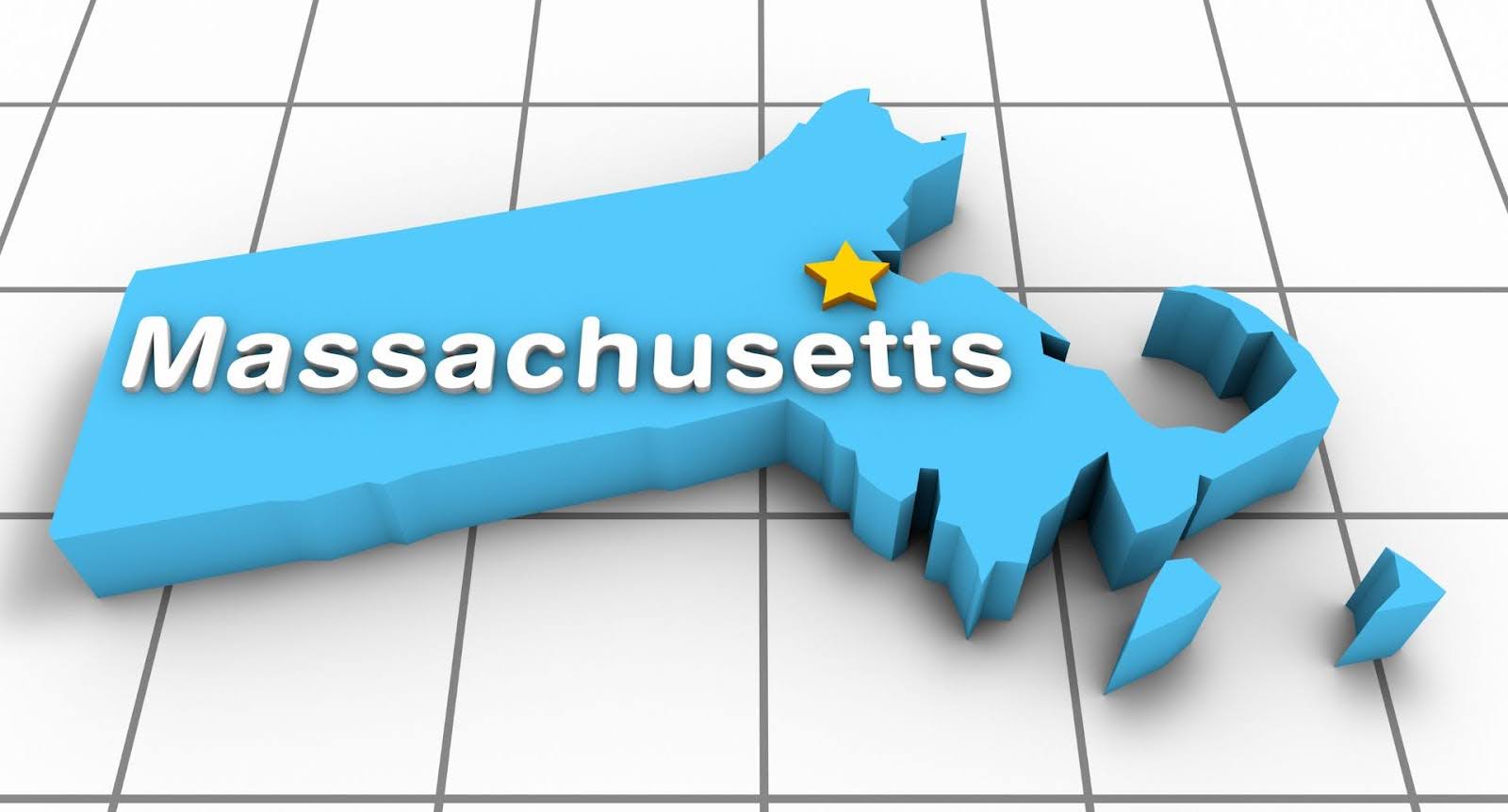
Penalties For Weed Possession In Massachusetts
The penalties for unlawful possession of weed in Massachusetts depend on the amount in possession and the context of the violation. Here’s a detailed breakdown of the consequences across different scenarios.
Possession Over The Legal Limit
For those found in possession of more than the legal amount of weed, penalties can be considerable. Possessing between one and two ounces in public can lead to a civil penalty and a $100 fine. Larger quantities, especially amounts indicating intent to distribute, can result in harsher consequences, including criminal charges, substantial fines, and even imprisonment.
Possession By Minors
Minors under 21 found with weed face stricter penalties. First-time offenders may need to complete a drug awareness program and perform community service, while repeat offenses can lead to higher fines and potential involvement with the juvenile justice system, aiming to deter further infractions.
Distribution And Trafficking
Penalties for unlicensed distribution and trafficking of weed are severe in Massachusetts. Unlicensed sales or distribution can incur hefty fines and imprisonment. For example, distributing under 50 pounds can lead to up to two years in jail and fines up to $5,000, while trafficking larger amounts, such as 2,000 pounds or more, can result in up to 15 years in prison and fines reaching $200,000.
Impaired Driving
Driving under the influence of weed is illegal in Massachusetts, with strict penalties for offenders. First-time offenders may face fines, license suspension, and mandatory drug education programs, while repeat offenses lead to longer suspensions, higher fines, and possible jail time. The state employs field sobriety tests and drug recognition experts to assess impairment.
Public Consumption
Public consumption of weed remains illegal in Massachusetts. Violators can face civil penalties, including fines up to $100, and repeated violations may lead to increased fines and potential criminal charges, depending on the circumstances and location of the offense.
Impact Of Federal Laws On Massachusetts’s Weed Regulations
Although Massachusetts has established its own rules for the use and distribution of weed, federal laws still heavily influence the state’s cannabis landscape. Here’s a closer look at how federal regulations impact Massachusetts’s weed laws.
Federal Classification Of Weed
Weed remains classified as a Schedule I substance under the Controlled Substances Act (CSA) at the federal level, indicating it has a high potential for abuse and no accepted medical use according to federal standards. This classification makes all forms of cannabis, including medical and recreational marijuana, illegal under federal law. Consequently, Massachusetts faces a complex legal environment as it operates under state laws that legalize cannabis use.
Conflict Between State And Federal Laws
The discrepancy between state and federal cannabis laws creates challenges for Massachusetts businesses and consumers, as cannabis use, while legal at the state level, remains prohibited federally. This legal conflict leads to complications, such as banking restrictions, with federal law preventing banks from serving cannabis businesses, forcing many dispensaries to operate on a cash-only basis, which heightens security risks and complicates transactions. Interstate commerce is also restricted, as federal law prohibits cannabis transport across state lines, even between states where it is legal, limiting Massachusetts businesses’ trade and supply chains. Additionally, federal law impacts employment and housing for cannabis users, as employees in federally regulated fields, like transportation or defense, may face drug testing and potential termination for cannabis use, and residents in federally subsidized housing are barred from cannabis use, affecting those relying on these programs.
Federal Enforcement Policies
Federal enforcement of cannabis laws has shifted across administrations. During the Obama administration, the Cole Memorandum guided federal prosecutors to prioritize specific cannabis-related activities, allowing states more regulatory freedom. The Trump administration rescinded this guidance, adding uncertainty to federal enforcement practices. While the Biden administration has signaled a more tolerant approach toward state-legal cannabis activities, federal laws governing cannabis remain unchanged.
Potential Federal Legalization
Ongoing discussions and legislative efforts aim to legalize or decriminalize cannabis at the federal level, which could significantly affect Massachusetts’s cannabis industry. Federal legalization could resolve issues around banking, interstate commerce, and regulatory consistency, providing clearer frameworks and stronger consumer protections. However, the timeline and likelihood of federal legalization remain uncertain, leaving Massachusetts’s cannabis industry to navigate this complex legal landscape for now.
Legal Alternatives To Weed In Massachusetts
For individuals in Massachusetts seeking wellness options without the psychoactive effects of weed, a range of legal alternatives is available. These products offer various therapeutic benefits and are regulated under distinct legal frameworks. Here’s a closer look at these options:
CBD (Cannabidiol) Products
CBD, a non-psychoactive compound in cannabis, is popular for its potential health benefits, including pain relief, anxiety reduction, and improved sleep. In Massachusetts, CBD derived from hemp is legal and widely available in oils, tinctures, edibles, and topicals. Following the 2018 Farm Bill, hemp-derived CBD products with less than 0.3% THC are federally legal. Massachusetts regulates these products with testing and labeling standards, and consumers should look for third-party lab results to confirm CBD content and purity.
Delta-8 THC
Delta-8 THC, a cannabinoid similar to traditional Delta-9 THC but with milder psychoactive effects, has emerged as another legal alternative. Derived from hemp, Delta-8’s legality under the Farm Bill creates a somewhat gray area in Massachusetts law, as state regulations may vary. Consumers are advised to confirm local legal status before purchasing Delta-8 products.
Medical Marijuana With Low THC
Medical marijuana patients in Massachusetts have access to products with low THC and high CBD, offering therapeutic benefits without strong psychoactive effects. These products, available at licensed dispensaries, are clearly labeled with their cannabinoid content, allowing patients to select options that best suit their needs.
Herbal Supplements And Adaptogens
Herbs and adaptogens, such as ashwagandha, valerian root, and passionflower, offer calming and stress-relieving effects. Although not direct substitutes for THC, they provide natural, complementary benefits for those seeking non-psychoactive wellness remedies.
Over-The-Counter Pain Relief
OTC pain relievers, including ibuprofen, acetaminophen, and topical analgesics, are commonly used for managing minor pain and inflammation. While these options do not offer the same benefits as cannabis, they are widely available and effective for pain management.
Future Outlook On Weed Legislation In Massachusetts
With Massachusetts’s cannabis industry steadily evolving, several factors may shape the future of weed legalization in the state. From federal policy shifts to social equity efforts, these influences will impact the industry’s growth and accessibility. Here’s a look at the key areas to watch:
Potential Federal Legalization
Federal legalization of cannabis could have a significant impact on Massachusetts’s weed legalization, resolving many current legal challenges such as banking restrictions and interstate commerce limitations. If Congress legalized or decriminalized cannabis at the federal level, Massachusetts may experience market expansion and increased investment opportunities within its cannabis industry.
Social Equity Programs
Massachusetts has led the way in social equity programs to support communities impacted by past cannabis prohibition. These programs aim to help individuals from disproportionately affected communities enter the legal cannabis market. Future legalization may focus on expanding and enhancing these initiatives to further support social equity within the industry.
Innovation And Product Development
With the maturing cannabis market, there is room for innovation in product development, including new cannabis-derived offerings, advances in cultivation, and improvements in testing and safety standards. Future regulations may adapt to accommodate these innovations, updating the framework to support emerging products and technologies.
Public Health And Safety Regulations
Ensuring public health and safety remains a priority for Massachusetts lawmakers. Future legalization may introduce stricter guidelines for product labeling, advertising, and marketing to better inform and protect consumers. Additionally, the state may increase efforts to address health concerns related to cannabis, such as impaired driving and underage consumption.
Medical Marijuana Program Expansion
Massachusetts’s medical marijuana program could see future changes aimed at improving patient access. This may include expanding qualifying conditions, streamlining patient certification, and broadening the availability of medical products. Legislative efforts might also focus on reducing costs to make medical marijuana more affordable for patients.
Economic Impact And Taxation
As the cannabis industry grows, its economic impact will be a focus for Massachusetts lawmakers. Future legalization could involve optimizing tax structures to maximize state revenue while keeping the market competitive. This may include adjusting tax rates, offering incentives for cannabis businesses, and strategically allocating tax revenue to support public programs and services.
Final Thoughts
The legal status of weed in Massachusetts showcases a progressive approach to cannabis regulation, with well-defined laws distinguishing between medical and recreational use. Since the state legalized medical marijuana in 2012 and recreational marijuana in 2016, Massachusetts has built a comprehensive regulatory framework to oversee cannabis cultivation, distribution, and consumption.
Although state laws provide clear guidelines for legal weed use, the ongoing conflict with federal regulations continues to pose challenges, particularly in areas like banking access and interstate commerce. However, potential shifts in federal policy could profoundly impact Massachusetts’s cannabis industry, paving the way for continued growth and development.
Read Also:
Frequently Asked Questions About The Legality Of Weed In Massachusetts
Is It Legal To Grow Weed-Rich Cannabis Plants At Home In Massachusetts?
Yes, adults aged 21 and over in Massachusetts are permitted to grow up to six cannabis plants per person, with a household limit of twelve plants for personal use. However, the plants must be grown in a secure, enclosed area that is not visible from public spaces to comply with state law.
Are There Specific Areas In Massachusetts Where Weed Use Is Prohibited?
Yes, using weed in public spaces, including parks, sidewalks, and other shared areas, is prohibited under Massachusetts law. Additionally, it is illegal to consume cannabis on federal properties, and use is limited to private properties only when the property owner consents.
Can Tourists Legally Purchase Weed Products In Massachusetts?
Yes, tourists aged 21 and over can legally buy weed products from licensed recreational dispensaries in Massachusetts. However, tourists should be aware of possession limits and must consume weed within the state, as transporting it across state lines is illegal.
Is It Legal To Use Weed Products In A Rental Property In Massachusetts?
The legality of using weed in a rental property depends on the landlord’s policies, as property owners have the right to ban cannabis use on their premises. Renters should review their lease agreements or discuss the policy with their landlords to avoid potential issues.
Are There Any Weed Consumption Lounges In Massachusetts?
Currently, Massachusetts does not have legally operating weed consumption lounges, so public consumption spaces are unavailable. Cannabis use is limited to private properties, making it essential for users to find a private setting with the owner’s permission.
Can You Carry Weed Products Across State Lines From Massachusetts?
No, transporting weed across state lines is illegal, even if both the origin and destination states have legalized cannabis. Federal law prohibits interstate cannabis transportation, so travelers should consume their purchases within Massachusetts.
Is There A Difference In The Legal Treatment Of Edibles Compared To Other Weed Products In Massachusetts?
No, Massachusetts law treats edibles the same as other weed products, applying identical possession limits and regulations. However, because edibles can have delayed effects, consumers are advised to start with a small dose to avoid accidental overconsumption.
Can You Be Fired For Using Weed Legally In Massachusetts?
Yes, employers in Massachusetts have the right to enforce drug-free workplace policies, which may include prohibiting cannabis use. Even if used legally outside of work hours, employees can still face termination if cannabis use conflicts with company policies or federal regulations.
Are There Weed Delivery Services Available In Massachusetts?
Yes, licensed weed delivery services operate in Massachusetts, allowing consumers to order cannabis products directly to their homes. These services must comply with state regulations, ensuring safe and secure delivery within legal possession limits.
Is There A Limit On The Potency Of Weed Products Sold In Massachusetts?
Yes, Massachusetts imposes regulations on the maximum THC content allowed in cannabis products to enhance consumer safety, particularly for edibles and concentrates. Dispensaries must clearly label products with THC content, allowing consumers to make informed choices based on potency.
Sources:
- Hansen, C., Alas, H., & Davis Jr., E. (2021, June 30). Where Is Marijuana Legal? A Guide to Hemp Legalization. US News & World Report. https://www.usnews.com/news/best-states/articles/where-is-Marijuana-legal-a-guide-to-Hemp-legalization
- Inc, G. (2021, November 4). Support for Legal Marijuana Holds at Record High of 68%. Gallup.com. https://news.gallup.com/poll/356939/support-legal-Marijuana-holds-record-high.aspx
- Washington DC Hemp Laws | WashingtonDCCannabis.org. (n.d.). Washington D.C. Cannabis Information Portal. https://washingtondccannabis.org/laws
- Dorbian, I. (n.d.). Despite Some Stumbles, Total Sales In U.S. Cannabis Market Could Soar To $50.7 Billion By 2028, Says Top Researcher. Forbes. Retrieved October 18, 2023, from https://www.forbes.com/sites/irisdorbian/2023/02/15/despite-some-stumbles-total-sales-in-us-cannabis-market-could-soar-to-507-billion-by-2028-says-top-researcher/?sh=1f90e293164d


About author
Related posts

Many people want smooth hits. They want to have a simple smoking arrangement. However, it is... Continue reading

So, you just got your hands on the dope collab everyone’s talking about—RAW x Lyrical Lemonade... Continue reading

Women’s wellness, especially when it comes to libido and pleasure, often gets overlooked. But times are... Continue reading

When you’re scrolling through countless male enhancement products, it’s easy to feel overwhelmed. From pills to... Continue reading

When it comes to boosting male performance, the market is packed with pills, powders, and promises.... Continue reading