No products in the cart.
Return To Shop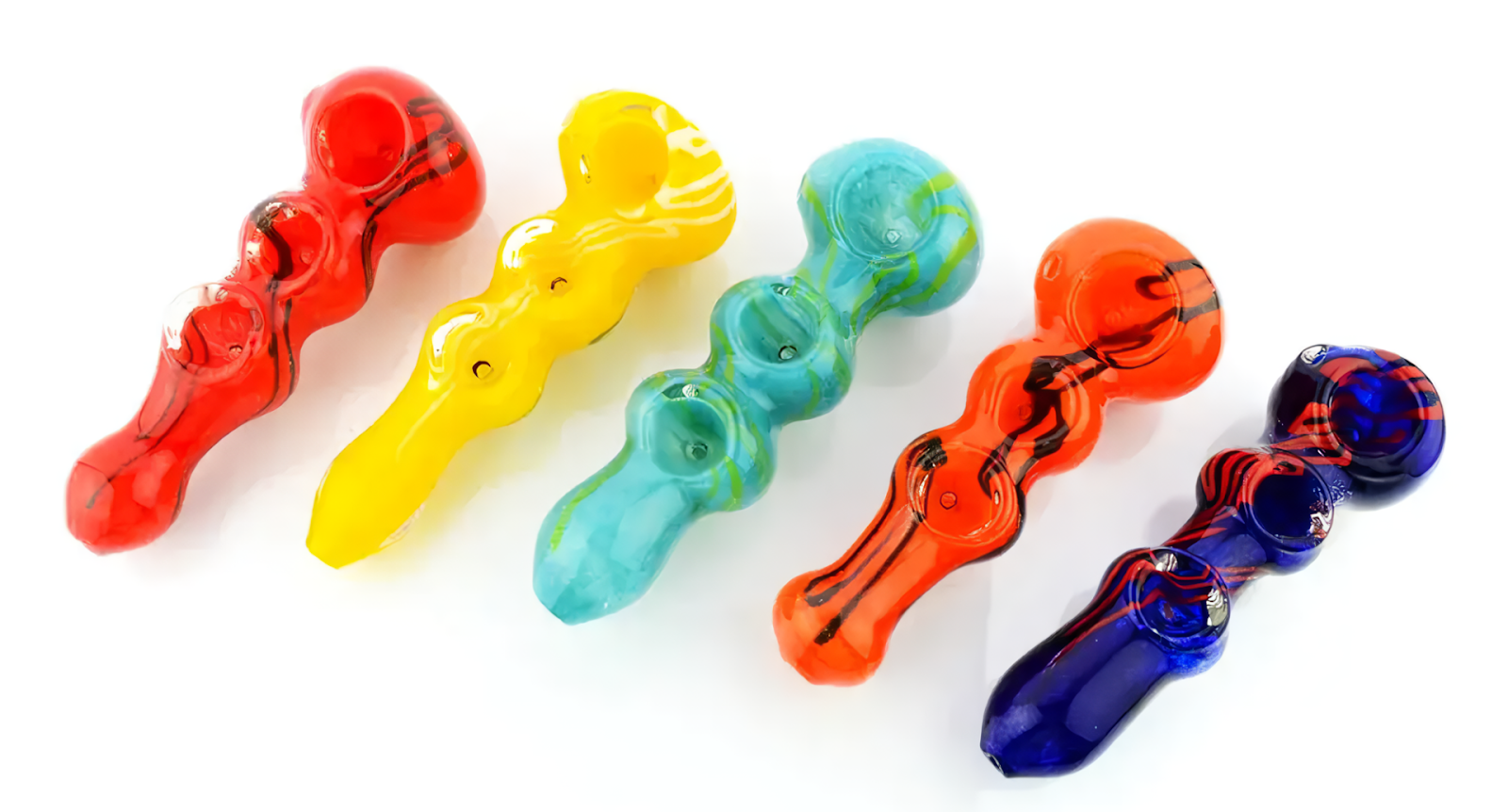
How To Properly Clean A Glass Pipe Without Damaging It
Key Takeaways:
- Regular Maintenance is Key: Keep your glass pipe performing at its best with simple cleaning routines.
- Safe Cleaning Materials: Learn what materials work best without risking damage to your pipe.
- Prolong Your Pipe’s Life: Discover easy habits to maintain your pipe’s cleanliness and durability.
Ever noticed how a favorite glass pipe can lose its luster over time, affecting the quality of your sessions? At Happy Head Shop, we understand the importance of maintaining your cherished pieces. As a leading online smoke shop in the United States, we offer an extensive selection of bongs, pipes, bubblers, and smoke accessories, making us your one-stop shop for all your smoking needs.
In this guide, we’ll walk you through the steps to clean your glass pipe effectively, ensuring it remains in top condition for an optimal smoking experience.
Why It’s Important To Clean Your Glass Pipe Regularly
Glass pipes are more than just tools—they’re a personal item that deserves care. Over time, frequent use causes residue like resin and ash to build up inside the pipe, which can affect the flavor, performance, and even your health. A clean pipe ensures a smoother, more enjoyable smoking experience and helps preserve the integrity of the glass.
Neglecting regular cleaning can also lead to clogged pathways, making it harder to draw and increasing the risk of accidental breakage while trying to force it clean. Worse, lingering residue can harbor bacteria or mold in humid conditions. By cleaning your glass pipe regularly, you’ll not only extend its lifespan but also enjoy a fresher, healthier experience every time.
Find the perfect glass piece for your collection! Shop premium glass pipes, bongs, and bubblers at Happy Head Shop. Quality and style await—shop now!
Tools And Materials You’ll Need
Before diving into the cleaning process, gather the necessary tools and materials. Having everything ready ensures a smooth and hassle-free experience. Here’s what you’ll need:
- Isopropyl Alcohol (91% or Higher): The main ingredient for breaking down tough resin and grime.
- Coarse Salt (like Epsom or Sea Salt): Acts as a gentle abrasive to scrub away residue inside the pipe.
- Plastic Zip-Top Bags or Containers: For soaking the pipe in your cleaning solution.
- Pipe Cleaners or Cotton Swabs: To reach small, intricate areas.
- Warm Water: For rinsing away residue and cleaning solution.
- Rubber Gloves (Optional): To protect your hands from strong cleaning agents or residue.
These tools and materials are simple, affordable, and easily available, making it easy to safely clean your glass pipe whenever needed.

Step-By-Step Guide To Cleaning A Glass Pipe Safely
Keeping your glass pipe clean not only ensures better performance but also extends its lifespan. Regular maintenance prevents the buildup of harmful residue and restores the piece’s original clarity. Here’s a comprehensive guide to help you clean your glass pipe thoroughly and safely.
Empty And Rinse The Pipe
Before beginning the deep-cleaning process, remove any loose ash or residue from the pipe. Gently tap it upside down to dislodge debris, then rinse it under warm running water. This preliminary rinse washes away surface grime and prepares the pipe for a more intensive cleaning.
Mix A Cleaning Solution
Create a powerful cleaning mixture using isopropyl alcohol and coarse salt. The alcohol acts as a solvent to dissolve sticky resin, while the salt serves as a gentle abrasive to scrub the glass. Pour the solution into a zip-top bag or container, ensuring there’s enough to fully submerge your pipe.
Soak The Glass Pipe
Place the pipe into the prepared solution, sealing the bag or container securely to avoid spills. Gently agitate the solution by shaking it, allowing the salt and alcohol to work on loosening tough residue. For heavily soiled pipes, let the piece soak for at least thirty minutes or longer to maximize effectiveness.
Tackle Stubborn Residue
After soaking, inspect the pipe for remaining buildup in hard-to-reach areas. Use a pipe cleaner, cotton swab, or soft brush to gently scrub these spots. Avoid applying too much pressure, as glass is fragile and could crack if handled roughly.
Rinse The Pipe Thoroughly
Once all residue has been loosened and removed, rinse the pipe under warm water. Ensure that no cleaning solution or salt remains by thoroughly inspecting every surface. Skipping this step could leave unwanted residue that might affect the taste or safety of your next use.
Dry The Pipe Completely
Pat the cleaned pipe with a soft, lint-free towel to remove excess water. For a complete dry, leave the pipe in a safe place to air dry. Ensuring that no moisture remains prevents residue from re-adhering and guarantees the pipe is ready for use.
Common Mistakes To Avoid When Cleaning Your Pipe
Cleaning your glass pipe is essential for maintaining its functionality and preserving its lifespan. However, certain mistakes can unintentionally harm the pipe, compromise its integrity, or reduce its efficiency. Understanding these pitfalls and how to avoid them can make all the difference in ensuring your cleaning process is safe and effective.
Avoid Using Boiling Water
While boiling water might seem like a thorough cleaning option, it poses a significant risk to glass pipes. Extreme temperatures can create rapid expansion or contraction in the glass, leading to cracks or shattering, especially if the glass is already stressed or weakened by resin buildup. To prevent such damage, always use warm or room-temperature water for cleaning.
Never Skip The Rinse Step
Failing to rinse your glass pipe thoroughly after cleaning can leave behind traces of isopropyl alcohol or other cleaning agents. These residues not only produce a harsh chemical taste but can also be harmful if inhaled during use. A careful and complete rinse with warm water ensures that your pipe is clean and safe for future sessions.
Avoid Applying Excessive Force
Scrubbing too hard or shaking the pipe too vigorously during cleaning can result in damage, particularly to delicate or thinner sections of the glass. While it’s important to dislodge stubborn residue, overly aggressive methods increase the risk of cracks or breakage. Using gentle, controlled movements protects your pipe while still achieving effective cleaning.
Don’t Neglect Regular Maintenance
Waiting until your pipe is heavily clogged with residue makes cleaning far more difficult and risky. Hardened buildup can require extra scrubbing or soaking, which increases the chances of accidental damage. Incorporating routine light cleanings into your maintenance routine keeps the pipe functional and reduces the need for harsh methods.
Steer Clear Of Harsh Tools
Metal tools or abrasive materials may seem like effective options for removing tough residue, but they can scratch or weaken the glass over time. Scratches not only mar the pipe’s appearance but can also create weak points prone to cracking. Using soft tools like pipe cleaners or cotton swabs ensures thorough cleaning without compromising the glass.
How To Keep Your Glass Pipe Clean For Longer
Maintaining a clean glass pipe doesn’t require constant effort—small, consistent habits can go a long way. By incorporating a few simple practices into your routine, you can minimize residue buildup, extend the time between deep cleanings, and ensure a smoother, fresher experience. Here’s how you can keep your glass pipe in excellent condition for longer.
Empty And Rinse The Pipe After Each Use
A quick rinse and tap-out after every session can prevent ash and residue from hardening inside the pipe. Once hardened, residue becomes significantly harder to remove and may require a deep clean. By flushing out debris with warm water and shaking out loose particles, you keep your pipe fresher and reduce the risk of long-term buildup.
Use A Screen Or Filter
Adding a screen to your bowl is an effective way to trap ash and debris before it settles inside the pipe. This simple accessory not only prevents clogging but also makes cleanup easier by keeping resin buildup to a minimum. Regularly replacing or cleaning the screen will further enhance its effectiveness and extend the life of your pipe.
Store The Pipe In A Safe Environment
Proper storage plays a vital role in maintaining the cleanliness and durability of your glass pipe. Keeping it in a cool, dry place helps prevent the growth of mold or mildew, especially if the pipe has residual moisture. A protective case adds an extra layer of security, safeguarding it from accidental bumps or drops that could compromise its integrity.
Establish A Regular Cleaning Routine
Adopting a consistent cleaning schedule ensures that buildup never gets out of hand. Light weekly cleanings, such as a quick rinse or a short soak in isopropyl alcohol, can keep your pipe fresh and functional. This routine maintenance significantly reduces the time and effort required for deep cleaning sessions.
Avoid Overpacking The Bowl
Packing your pipe with too much material can cause uneven burning and excessive resin buildup, leading to faster clogging. Smaller, evenly packed bowls promote better airflow, resulting in a cleaner, more enjoyable smoking experience. This habit not only helps keep your pipe clean but also optimizes its performance.

Final Thoughts
Cleaning your glass pipe regularly and properly is key to preserving its quality, ensuring an enjoyable experience, and extending its lifespan. With the right tools, a little patience, and some consistent maintenance, you can keep your pipe looking and performing like new. Avoid common mistakes, stay mindful of proper techniques, and don’t hesitate to set up a cleaning routine that works for you.
Taking care of your pipe isn’t just about cleanliness—it’s about respect for your gear and the experience it provides. So, grab your cleaning kit, show your glass some love, and enjoy the smooth, fresh hits that come with a clean pipe. Happy cleaning!
Read also:
- 5 Reasons Why Glass Pipes are the Best Choice for Smoking Enthusiasts
- Glass Bubbler vs. Traditional Pipe: Which is Better for You?
- How to Clean a Weed Pipe: Step-by-Step Guide
Frequently Asked Questions And Answers About Cleaning A Glass Pipe
Can I use household vinegar to clean a glass pipe?
Yes, white vinegar can work as a mild cleaning agent for light residue. Combine it with warm water and coarse salt for better results.
How often should I clean my glass pipe?
For optimal performance, clean your pipe at least once a week, or more frequently if you use it heavily.
What’s the safest way to clean intricate glass designs?
Use pipe cleaners or cotton swabs for hard-to-reach spots. Avoid applying too much force to protect delicate areas.
Is it safe to clean a glass pipe in the dishwasher?
No, dishwashers can be too harsh and may cause cracking or fading. Stick to hand cleaning for better results.
Can baking soda be used instead of salt?
Yes, baking soda is a safe alternative to salt and offers gentle abrasion for scrubbing away resin buildup.
What’s the quickest way to clean a glass pipe?
A quick rinse with isopropyl alcohol and coarse salt, followed by a warm water rinse, is an efficient method for light cleaning.
How do I know if my glass pipe is damaged during cleaning?
Check for cracks, chips, or cloudiness after cleaning. These are signs of damage and may require replacement.
What if my pipe still smells after cleaning?
A second soak in isopropyl alcohol or adding a drop of lemon juice during rinsing can help eliminate lingering odors.
Are there eco-friendly ways to clean a glass pipe?
Yes, use a mixture of baking soda and lemon juice or hot water and coarse salt for an environmentally friendly cleaning solution.
Can cleaning a glass pipe too often damage it?
No, frequent cleaning with safe methods ensures longevity. Avoid abrasive materials or excessive force to prevent wear.


About author
Related posts

Many people want smooth hits. They want to have a simple smoking arrangement. However, it is... Continue reading

So, you just got your hands on the dope collab everyone’s talking about—RAW x Lyrical Lemonade... Continue reading

Women’s wellness, especially when it comes to libido and pleasure, often gets overlooked. But times are... Continue reading

When you’re scrolling through countless male enhancement products, it’s easy to feel overwhelmed. From pills to... Continue reading

When it comes to boosting male performance, the market is packed with pills, powders, and promises.... Continue reading