No products in the cart.
Return To Shop
Bong Vs Pipe: Choosing The Right Smoking Device
Key Takeaways:
- Filtration and Smoothness: Understand how water filtration in bongs provides smoother, cooler hits.
- Portability and Convenience: Learn why pipes are ideal for on-the-go use due to their simplicity and portability.
- Cost and Maintenance: Compare the cost and maintenance requirements of bongs and pipes to make an informed decision.
At Happy Headshop, we pride ourselves on offering top-quality smoking devices that cater to both beginners and seasoned enthusiasts. Our extensive range of bongs and pipes is designed to enhance your smoking experience with superior craftsmanship and innovative designs. Whether you’re looking for a smooth, filtered hit from a bong or the convenience of a portable pipe, we’ve got you covered.
Bongs and pipes are two of the most popular smoking devices, each offering unique benefits. Bongs, known for their water filtration, provide a smoother hit, while pipes are valued for their simplicity and portability. Understanding the differences between these devices can help you make an informed choice that suits your preferences and lifestyle.
In this piece, we will be discussing the key differences between bongs and pipes, including their pros and cons, to help you decide which smoking device is right for you.
Understanding Bongs
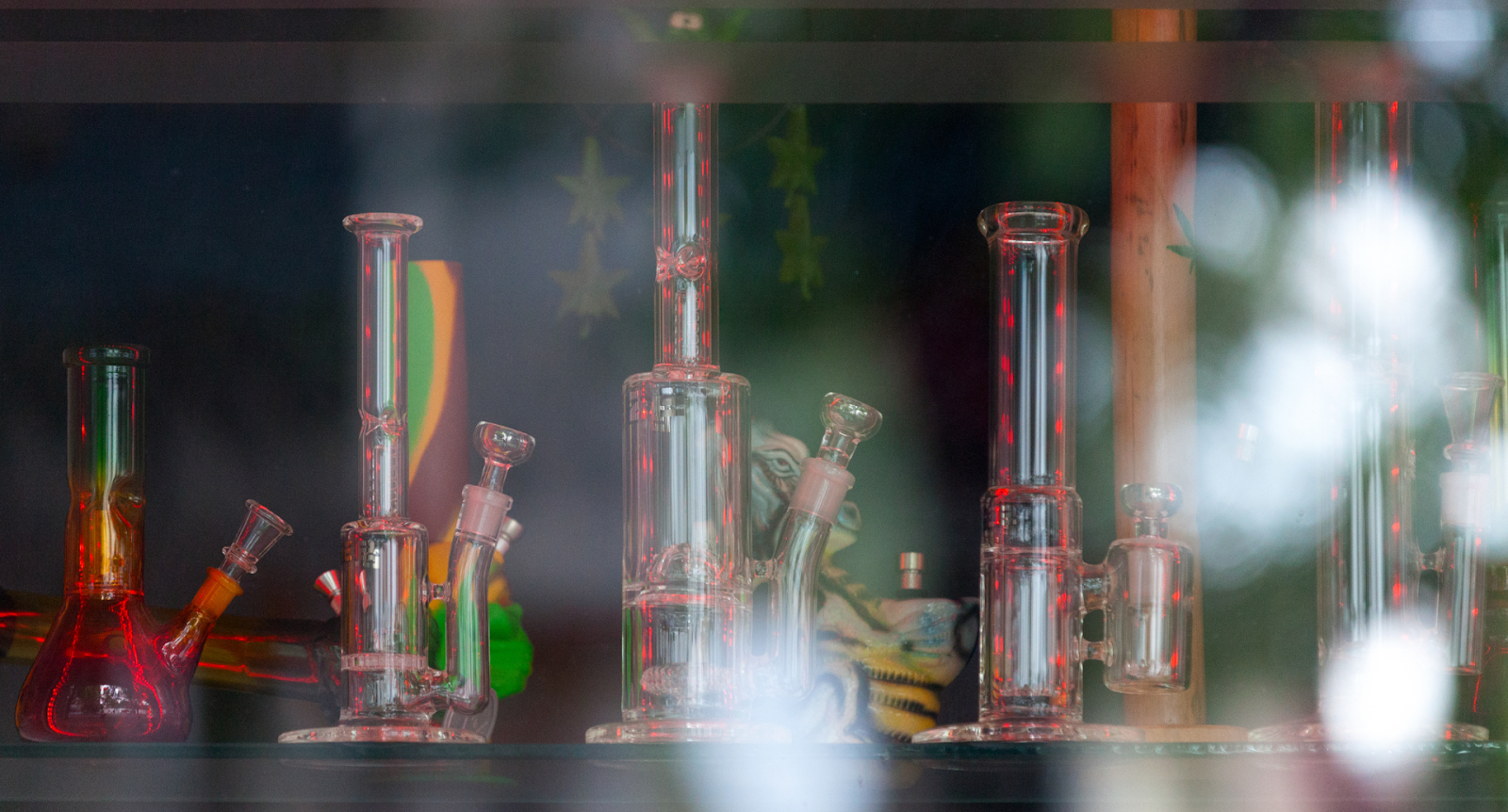
Bongs, also known as water pipes, are smoking devices that use water to filter and cool the smoke before it is inhaled. These devices have been popular among smokers for decades due to their unique ability to provide a smoother smoking experience. By using water to filter the smoke, bongs can reduce the amount of harmful substances inhaled, making the process potentially less damaging to the lungs.
Bowl
The bowl is the part of the bong where the smoking material, typically cannabis or tobacco, is placed. It is usually made from heat-resistant materials like glass, metal, or ceramic to withstand high temperatures. When the smoking material is ignited, the smoke travels through the downstem, initiating the filtration process.
Downstem
The downstem is a small tube that connects the bowl to the water chamber. It plays a crucial role in guiding the smoke from the burning material down into the water. This process not only helps in cooling the smoke but also in beginning the filtration process by trapping some of the larger particles and impurities.
Water Chamber
The water chamber is the part of the bong that holds the water, which is essential for the filtration process. As the smoke passes through the water, it cools down significantly, making it less harsh when inhaled. Additionally, the water helps to filter out some of the tar and toxins, providing a cleaner smoking experience.
Mouthpiece
The mouthpiece is the part of the bong through which the user inhales the smoke. It is designed to be comfortable and ergonomic, ensuring a good seal around the lips to maximize inhalation. The mouthpiece can vary in shape and size, depending on the design of the bong, but its primary function remains the same.
Advantages Of Using A Bong
The primary advantage of using a bong is the smoother, cooler smoke it produces. This can be less harsh on the throat and lungs compared to other smoking methods. Furthermore, the water filtration system helps to remove some of the harmful substances from the smoke, potentially reducing the health risks associated with smoking. Lastly, many users find that the cooler, filtered smoke allows for larger inhalations, enhancing the overall smoking experience.
Discover the perfect bong to elevate your smoking sessions at Happy Head Shop! Whether you’re seeking smoother hits, customizable features, or a superior smoking experience, we have a wide selection of high-quality bongs to suit your needs.
Understanding Pipes
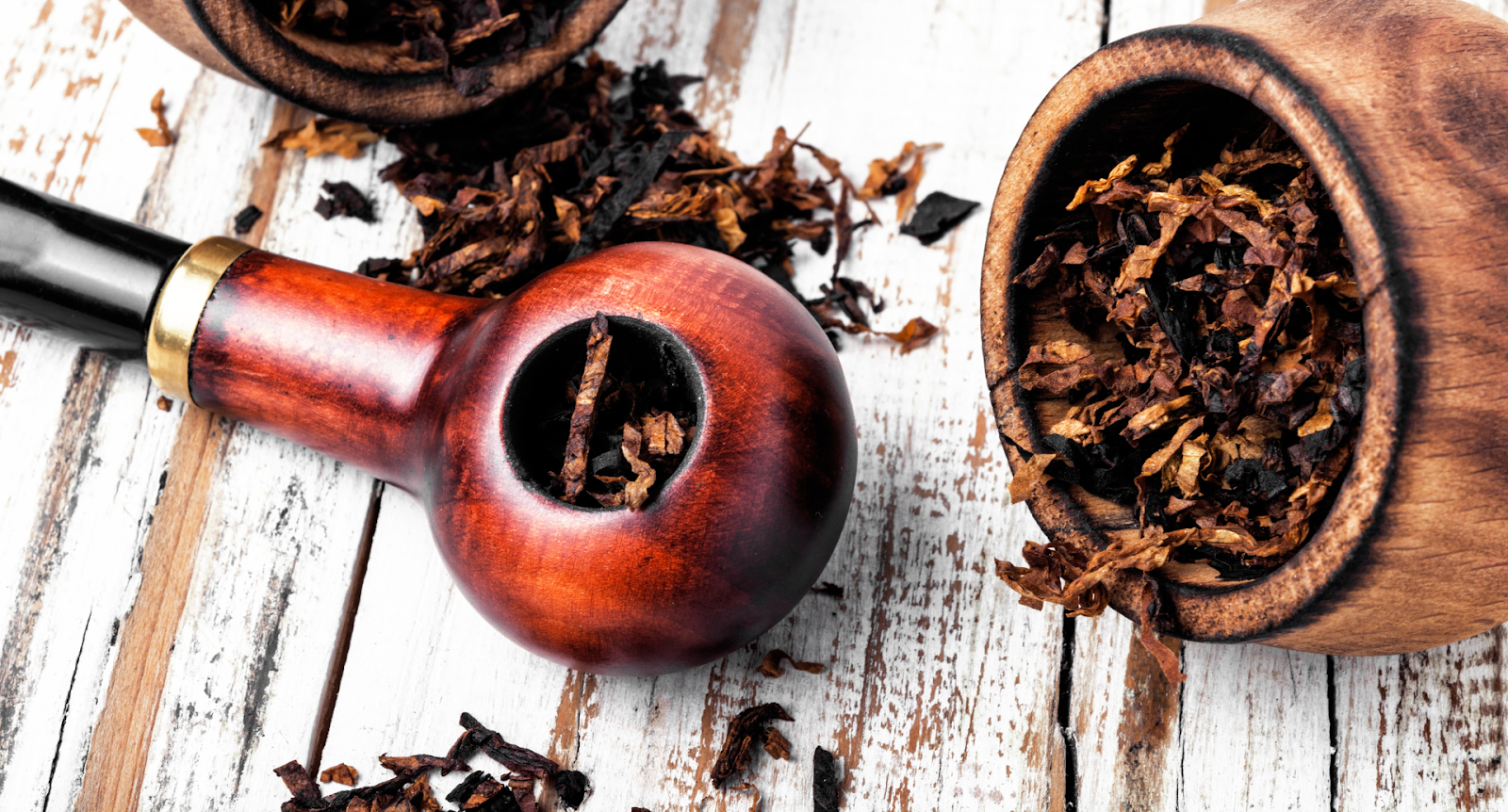
Pipes are simple and portable smoking devices that do not require water, making them an ideal choice for on-the-go smokers. They are designed for ease of use, with minimal setup required, which appeals to those seeking a quick and convenient smoking experience. The straightforward design of pipes allows for easy cleaning and maintenance, further adding to their practicality.
Bowl
The bowl of a pipe is where the smoking material, such as tobacco or cannabis, is placed. It is often crafted from durable materials like glass, metal, wood, or silicone, each providing a unique smoking experience. When the smoking material is ignited, the smoke is drawn through the stem, delivering a direct and unfiltered hit to the user.
Stem
The stem of a pipe is a crucial component that connects the bowl to the mouthpiece. As the smoke travels through the stem, it cools down slightly, though not as much as it would in a water-filtered device like a bong. The length and material of the stem can affect the temperature and flavor of the smoke, providing varying experiences based on the pipe’s design.
Mouthpiece
The mouthpiece is the end part of the pipe through which the user inhales the smoke. It is designed for comfort and ease of use, ensuring a good fit for the lips to maximize inhalation. The shape and size of the mouthpiece can vary, but its primary function is to provide a smooth pathway for the smoke to enter the user’s mouth.
Materials
Pipes come in a variety of materials, each offering a distinct smoking experience. Glass pipes are popular for their aesthetic appeal and clean flavor, while metal pipes are prized for their durability and longevity. Wooden pipes offer a traditional feel and can enhance the flavor of the smoke, while silicone pipes are known for their flexibility and resistance to breakage.
Advantages Of Using A Pipe
The simplicity and convenience of pipes make them a popular choice for smokers who want a quick and easy way to enjoy their smoking material without the need for extra equipment or setup. Their portability allows users to take them anywhere, making them perfect for travel or outdoor use. Additionally, the variety of materials and designs available means there is a pipe to suit every smoker’s preference, whether they prioritize aesthetics, durability, or flavor.
Key Differences Between Bongs And Pipes
While both bongs and pipes are used for smoking, they have several key differences that can affect your smoking experience. Understanding these differences can help you decide which device better suits your smoking preferences and lifestyle.
- Filtration: Bongs use water to filter and cool the smoke, which can make for a smoother hit. The water acts as a barrier that traps some of the harmful substances and particulates, providing a cleaner inhalation. Pipes, on the other hand, do not have any filtration system, resulting in a harsher smoke that is unfiltered and more direct.
- Portability: Pipes are generally smaller and more portable than bongs, making them easier to carry around and use discreetly. Their compact size allows them to fit comfortably in a pocket or small bag, ideal for on-the-go use. Bongs, due to their larger size and multiple components, are less convenient to transport and more suited for home use.
- Complexity: Bongs are more complex devices with multiple parts, which can make them more challenging to clean and maintain. The various components, such as the bowl, downstem, and water chamber, require regular cleaning to ensure optimal performance. Pipes are simple in design, usually consisting of just a bowl and stem, making them much easier to use and clean.
- Smoke Quality: The water in bongs helps to cool the smoke, providing a less irritating experience for the throat and lungs. This cooling effect makes the smoke smoother and less likely to cause coughing or throat discomfort. Pipes deliver unfiltered smoke, which can be more intense and harsher on the respiratory system, especially for new or occasional smokers.
- Cost: Bongs tend to be more expensive than pipes due to their larger size and more complex construction. The materials and craftsmanship involved in making a bong contribute to its higher price point. Pipes are typically more affordable and accessible for casual smokers, offering a cost-effective option for those who prefer simplicity and convenience.
- Versatility: Bongs can be customized with various accessories like percolators and diffusers to enhance the smoking experience. These accessories can improve filtration, cooling, and overall enjoyment, allowing users to tailor their device to their preferences. Pipes offer fewer customization options, focusing more on straightforward functionality and ease of use.
Understanding these differences can help you decide which device better suits your smoking preferences and lifestyle. Whether you prioritize smoothness, portability, simplicity, or cost, choosing the right device can significantly impact your overall smoking experience.
Pros And Cons Of Using A Bong
Bongs are popular smoking devices known for their water filtration system, which provides a unique smoking experience. However, like any smoking device, they come with their own set of advantages and disadvantages:
Smoother Smoke
The water filtration system in a bong cools the smoke, making it less harsh on the throat and lungs. This cooling effect allows for a more comfortable inhalation experience, reducing the likelihood of coughing or throat irritation. Many users prefer bongs for this reason, especially for extended smoking sessions.
Enhanced Flavor
The water can filter out some impurities, potentially leading to a cleaner and more flavorful smoke. By removing certain toxins and particles, the water helps to preserve the natural taste of the smoking material. This results in a more enjoyable and pure flavor, which is particularly appreciated by connoisseurs.
Customizable
Bongs can be customized with various attachments like percolators, ice catchers, and diffusers to enhance the smoking experience. These accessories can improve filtration, cooling, and smoothness, allowing users to tailor their bong to their specific preferences. This versatility makes bongs a popular choice for those who enjoy experimenting with different smoking setups.
Larger Hits
Bongs can hold more smoke in their chambers, allowing for larger hits. This capacity makes it easier to achieve the desired effect with fewer inhalations. For experienced users, the ability to take larger hits can enhance the efficiency and intensity of the smoking experience.
Less Portable
Bongs are typically larger and more fragile, making them less portable and harder to conceal. Their size and delicate nature mean they are best suited for home use rather than being carried around. This lack of portability can be a drawback for users who prefer to smoke in different locations or while traveling.
Complex To Clean
Bongs have multiple parts that can be difficult to clean and maintain. Each component, such as the bowl, downstem, and water chamber, requires regular and thorough cleaning to prevent residue buildup. This cleaning process can be time-consuming and tedious, especially compared to simpler smoking devices.
Higher Cost
Bongs are generally more expensive than pipes due to their size and complexity. The materials and craftsmanship involved in making a bong contribute to its higher price point. This initial investment can be a barrier for some users, particularly those who are new to smoking or on a budget.
Fragility
Many bongs are made of glass, which can be easily broken if not handled carefully. The delicate nature of glass bongs means they require careful storage and handling to avoid damage. This fragility can be a significant disadvantage, especially in environments where accidents are more likely to occur.
Pros And Cons Of Using A Pipe
Pipes are popular smoking devices due to their simplicity and portability, making them a convenient choice for many smokers. However, they also come with their own set of advantages and disadvantages:
Portability
Pipes are compact and easy to carry, making them ideal for on-the-go use. Their small size allows them to fit conveniently in pockets or small bags, which is perfect for those who like to smoke while traveling or being outdoors. This portability makes pipes a discreet option for smokers who need to be mobile.
Simplicity
With a straightforward design, pipes are easy to use and require minimal setup. This simplicity makes them accessible to beginners who might find more complex devices intimidating. The lack of complicated parts means you can start smoking almost immediately without any preparation.
Ease of Cleaning
Pipes typically have fewer parts, making them easier to clean and maintain. This ease of maintenance ensures that the pipe can be kept in good condition with minimal effort. Regular cleaning is straightforward, helping to ensure a pleasant smoking experience each time.
Affordability
Pipes are generally less expensive than bongs, making them accessible for casual smokers. Their lower cost is appealing to those who might be new to smoking or who do not want to invest in more expensive equipment. This affordability allows smokers to enjoy their hobby without a significant financial commitment.
Harsher Smoke
Without water filtration, the smoke from a pipe can be harsher on the throat and lungs. This lack of filtration can lead to a more intense and less smooth smoking experience, which might not be suitable for everyone, especially those with sensitive respiratory systems.
Smaller Hits
Pipes hold less smoke compared to bongs, resulting in smaller hits. This limitation means that users might need to take more frequent inhales to achieve the desired effect, which can be less efficient and more cumbersome for some smokers.
Less Customizable
Pipes offer fewer options for customization compared to bongs. The straightforward design of pipes limits the ability to add accessories or modify the smoking experience. This lack of versatility can be a drawback for those who enjoy personalizing their smoking devices.
Heat Management
Pipes can become hot to the touch, especially during extended use. This heat buildup can make the pipe uncomfortable to handle and use over long periods. Users need to be cautious to avoid burns and to manage the heat effectively during their smoking sessions.
Choosing The Right Device For You
Choosing between a bong and a pipe depends on your personal preferences, lifestyle, and smoking habits. Here are some factors to consider:
Usage Frequency
If you smoke frequently and prefer a smoother hit, a bong might be the better choice due to its water filtration system. The water in bongs cools and filters the smoke, making it less harsh on the throat and lungs. On the other hand, if you smoke occasionally or need something for quick sessions, a pipe might be more convenient due to its simple design and ease of use.
Portability
For smokers who are often on the go, a pipe’s portability and ease of use make it a more practical option. Pipes are compact and can easily fit into a pocket or small bag, allowing for discreet smoking wherever you are. Bongs, being larger and more fragile, are better suited for home use where they can be safely stored and used without the risk of breaking.
Budget
If cost is a significant factor, pipes are generally more affordable than bongs. Pipes are a cost-effective option for those who want a straightforward smoking device without spending too much. However, investing in a high-quality bong might be worthwhile for those seeking a superior smoking experience, as bongs can offer enhanced filtration and smoother hits.
Maintenance
Consider how much effort you’re willing to put into cleaning and maintaining your device. Pipes are simpler to clean, usually requiring only a quick rinse or brush to remove residue. In contrast, bongs require more thorough maintenance due to their multiple parts, such as the bowl, downstem, and water chamber, which can accumulate buildup and need regular cleaning.
Experience Level
Beginners might find pipes easier to use and less intimidating due to their straightforward design. Pipes offer a simple smoking experience without the need for additional accessories or complicated setup. In contrast, more experienced smokers might appreciate the advanced features and customization options of bongs, such as percolators and diffusers, which can enhance the smoking experience.
Final Thoughts
Choosing between a bong and a pipe ultimately comes down to personal preference and lifestyle. Bongs offer a smoother, cooler smoking experience with the benefit of water filtration, making them ideal for those who smoke frequently and value a less harsh hit. However, they are less portable and require more maintenance. Pipes, on the other hand, are simple, portable, and cost-effective, making them perfect for on-the-go smokers or those who prefer a quick, straightforward smoking session.
By understanding the key differences, pros, and cons of each device, you can make an informed decision that best suits your smoking habits and preferences. Whether you opt for the robust experience of a bong or the convenience of a pipe, both devices can provide a satisfying smoking experience.
Read also:
Frequently Asked Questions About Bongs And Pipes
What are the main differences between a bong and a pipe?
Bongs use water for filtration, providing a smoother hit, while pipes do not filter smoke and are more portable and simpler in design.
Which is easier to clean: a bong or a pipe?
Pipes are generally easier to clean due to their simple structure and fewer parts compared to bongs.
Can I use the same smoking material in both bongs and pipes?
Yes, you can use the same smoking material in both devices, but the experience might differ due to the filtration in bongs.
Are there different types of bongs and pipes?
Yes, both bongs and pipes come in various materials, shapes, and sizes, offering different smoking experiences.
Which device is better for a beginner, a bong or a pipe?
Pipes are often better for beginners due to their simplicity and ease of use, while bongs might be preferred by those seeking a smoother hit.
How does water filtration in a bong work?
Water filtration in a bong cools the smoke and removes some impurities, making the smoke less harsh on the throat and lungs.
What materials are commonly used to make bongs and pipes?
Common materials include glass, metal, wood, and silicone, each offering different durability and smoking experiences.
Can I travel with a bong or a pipe?
Pipes are more portable and easier to travel with due to their compact size, while bongs are more fragile and bulky.
Do bongs provide a stronger hit than pipes?
Bongs can provide larger hits due to their capacity to hold more smoke, but the smoothness of the hit is a key difference.
Is there a significant cost difference between bongs and pipes?
Yes, bongs are generally more expensive due to their larger size and more complex design, while pipes are more affordable.


About author
Related posts

Many people want smooth hits. They want to have a simple smoking arrangement. However, it is... Continue reading

So, you just got your hands on the dope collab everyone’s talking about—RAW x Lyrical Lemonade... Continue reading

Women’s wellness, especially when it comes to libido and pleasure, often gets overlooked. But times are... Continue reading

When you’re scrolling through countless male enhancement products, it’s easy to feel overwhelmed. From pills to... Continue reading

When it comes to boosting male performance, the market is packed with pills, powders, and promises.... Continue reading